

 Give Stars
Synes godt om
Kommentar
Indlæser..


 Give Stars


**DTC’s Tokenization Service Connects with Stellar: Bridging Traditional Finance and Public Blockchains in a Multi-Chain Future**
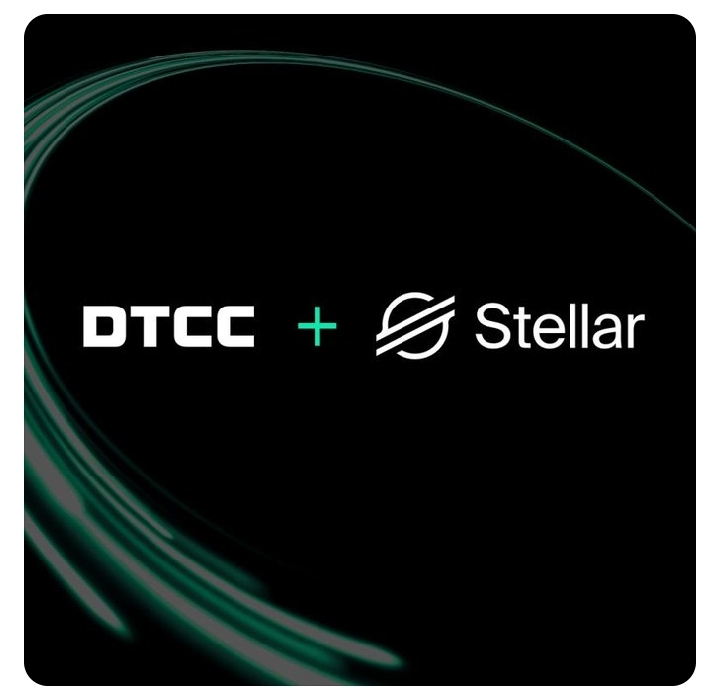
In a landmark step announced on May 27, 2026, The Depository Trust & Clearing Corporation (DTCC) and the Stellar Development Foundation (SDF) revealed plans to integrate **DTC’s Tokenization Service** with the **Stellar public blockchain**. This move positions DTC-tokenized assets—representing highly liquid securities like Russell 1000 stocks, major ETFs, and U.S. Treasuries—to become available on Stellar in the first half of 2027.
This integration advances DTC’s **standards-driven multi-chain strategy**, following the SEC’s No-Action Letter in December 2025 that authorized the service. DTC participants can elect to tokenize their security entitlements, maintaining full investor protections, entitlements, and ownership rights while gaining blockchain benefits like faster settlement, 24/7 availability, greater asset mobility, and lower costs.
### Why Stellar?
Stellar stands out for its focus on **compliance**, high transaction throughput, low fees, and proven use in securities, payments, and remittances. It serves as an ideal public blockchain bridge for regulated assets. DTC-tokenized assets will support rapid conversion from traditional forms, full lifecycle management (including corporate actions and reporting), and seamless interoperability with digital ecosystems.
This is part of a broader approach: DTC plans to support multiple L1 and L2 networks for open, interoperable access, starting with limited production trades in July 2026 and a full launch in October 2026.
### Connecting XLM, Stellar, and the Pi Network Ecosystem
**Stellar’s native token, XLM (Lumens)**, acts as a bridge currency for efficient cross-border and asset conversions. The DTC-Stellar integration elevates XLM’s role in institutional finance by anchoring tokenized real-world assets (RWAs) on a public, configurable chain known for speed and low costs.
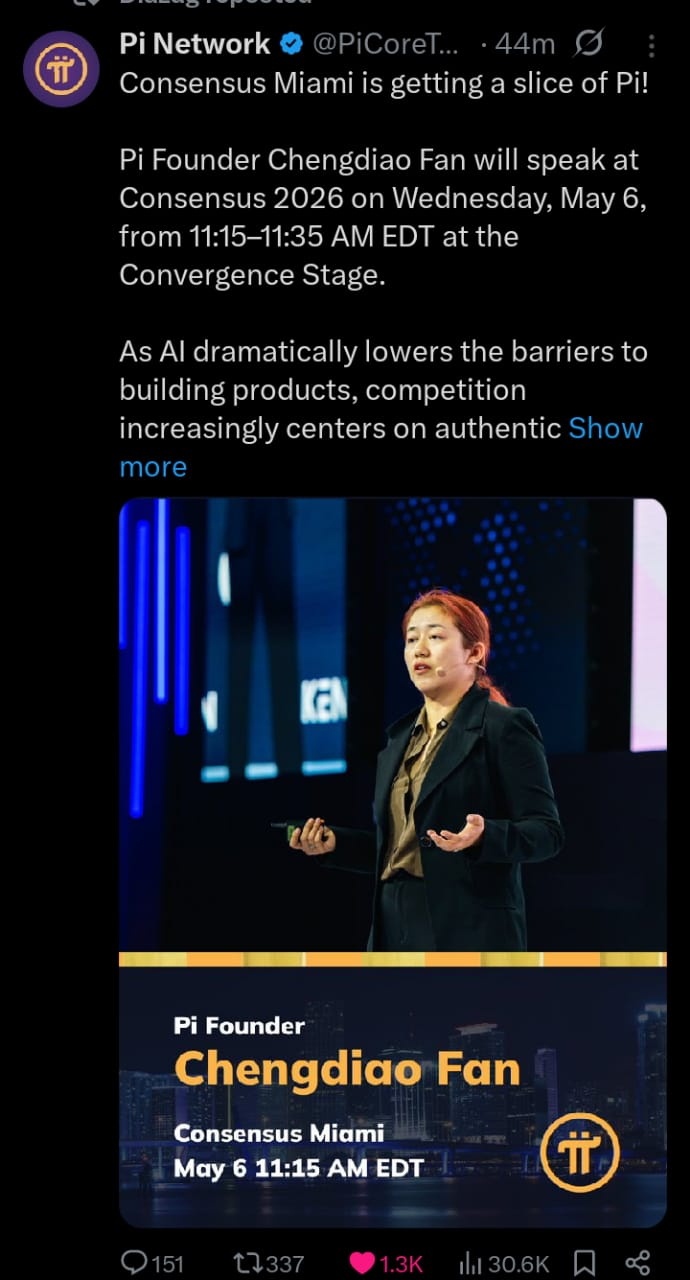
**Pi Network** shares deep technical ties with Stellar. Pi’s blockchain builds on a modified version of the **Stellar Consensus Protocol (SCP)**, emphasizing energy-efficient, mobile-friendly consensus without heavy proof-of-work mining. This shared foundation—rooted in Federated Byzantine Agreement principles—enables fast, secure, and scalable operations.
As Pi advances toward greater decentralization and mainnet maturity (with upgrades aligned to Stellar-like protocols), its massive user base—often cited in the tens of millions of engaged participants—could interact with the broader Stellar ecosystem. This creates potential pathways for:
- **Onboarding everyday users** to regulated tokenized assets.
- **Seamless bridges** between Pi’s ecosystem and Stellar-powered applications.
- **Cross-chain utility** where XLM facilitates liquidity and conversions.
### The Future: Massive Adoption and a Verified Blockchain Era
This DTC-Stellar connection signals a pivotal convergence:
- **Institutional-grade RWAs** on public infrastructure bring trillions in traditional assets (DTC custodies over $114 trillion) into digital realms.
- **Retail and emerging users** from networks like Pi gain exposure to verified, compliant tokenized securities, payments, and DeFi opportunities.
- **Interoperability** becomes the norm: Traditional markets, public blockchains, and user-driven ecosystems like Pi interconnect through shared standards and protocols.
For Pi’s community, this represents a future where mobile-mined, user-verified participation evolves into meaningful on-chain utility—potentially using Stellar rails for remittances, asset access, and value transfer at global scale. XLM could serve as a neutral bridge asset in this multi-chain world.
Overall, DTC’s multi-chain strategy, anchored by Stellar, accelerates the tokenization of real-world assets while preserving trust and regulation. It paves the way for a more inclusive, efficient financial system where massive user bases meet institutional liquidity on transparent, verifiable blockchains. This isn’t just technical integration—it’s a foundational shift toward a unified digital economy.
The narrative highlights innovation grounded in security, compliance, and broad accessibility. As timelines unfold (2026 pilots to 2027 Stellar availability), this collaboration could redefine how assets move across borders, chains, and user communities.
SOURCES : dtcc.com/news/2026/may/…
 Give Stars

Monggo mie nya 😋😋🤩🍜🍜
 Give Stars

 Give Stars

 Give Stars